Trying to compete with China could slow global climate action, report warns
China鈥檚 dominance of batteries, electric vehicles and solar power is helping drive global decarbonisation - but creating tensions with the UK and other Western economies
China鈥檚 dominance of key green technologies is helping to subsidise the global transition to a low-carbon economy, but trade tensions could make it harder for other countries to meet their climate targets, according to a new report led by researchers at The University of Manchester.
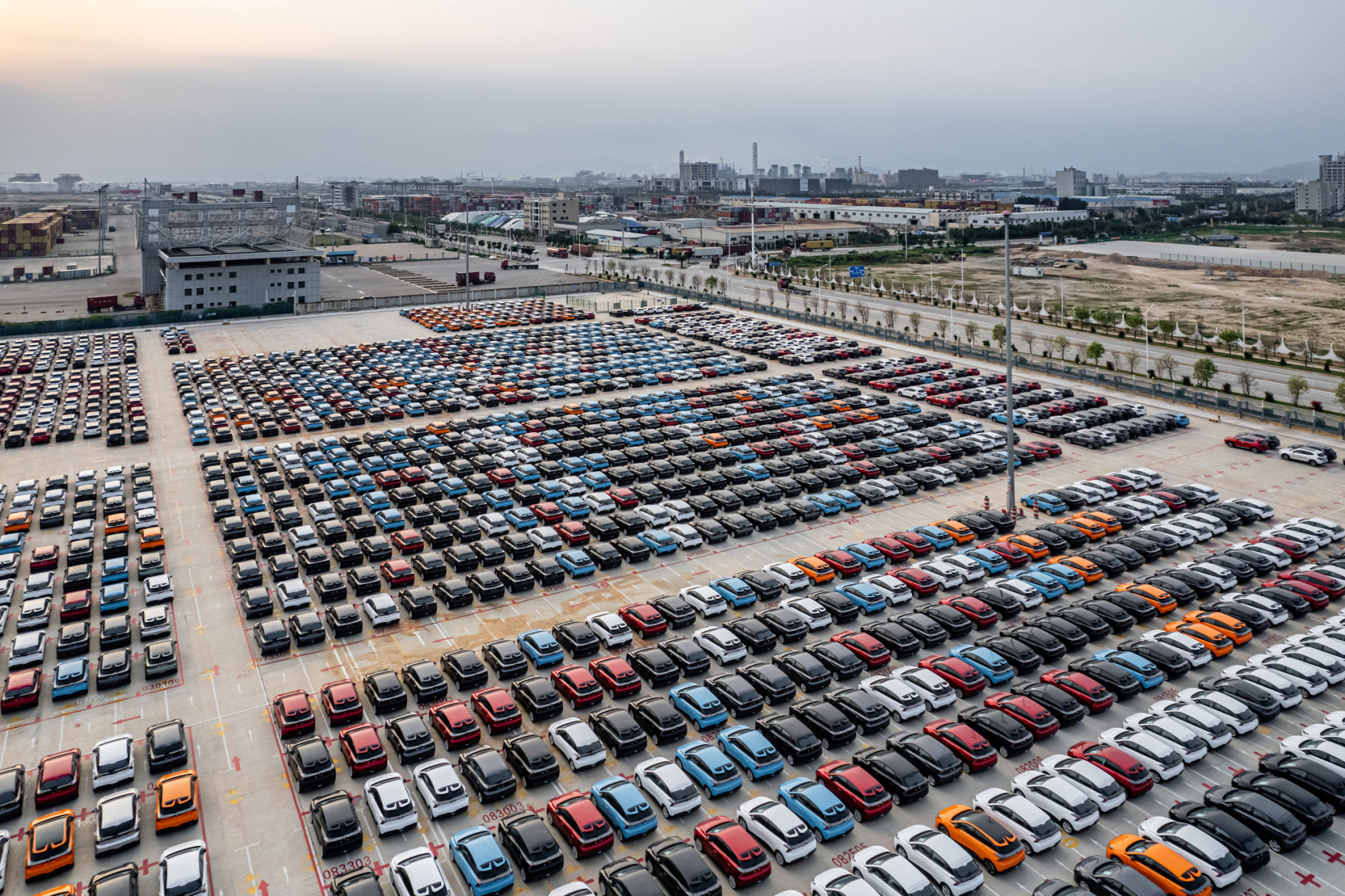
The report argues that China鈥檚 large-scale support for green industries has helped to make technologies such as batteries, electric vehicles and solar power cheaper and more widely available.
However, China鈥檚 dominance is also making it increasingly difficult for European and US companies to compete, creating a dilemma for governments seeking to decarbonise while protecting their own domestic industries.
Key findings and recommendations
China鈥檚 state support for green industries is effectively subsidising the global transition to a low-carbon economy.
China has become dominant in the so-called 鈥榥ew three鈥� green technologies - batteries, electric vehicles and solar power.
Attempts by countries such as the US and EU states to compete with China could slow the adoption of green technologies and increase the cost of decarbonisation.
Governments increasingly face four broad choices - compete with China, cooperate with it, accept Chinese dominance, or abandon parts of the green transition.
The UK should strengthen cooperation with China on green technologies rather than trying to compete directly.
The UK should continue to avoid tariffs on Chinese green technologies and seek Chinese investment in UK manufacturing.
A global climate dilemma
The report says China now occupies a leading position across many of the technologies needed for the green transition including solar, wind, batteries, hydrogen and electric vehicles. Its dominance has helped drive down the cost of these technologies, but this has also created growing geopolitical and economic tensions.
鈥淐hina鈥檚 dominance of green technology presents a fundamental dilemma for governments,鈥� lead author Dr James Jackson of The University of Manchester鈥檚 Sustainable Consumption Institute. 鈥淭he world needs these technologies to decarbonise, but efforts to compete with China risk making the transition more expensive and more difficult.鈥�
The authors argue that countries should focus more heavily on cooperation - particularly where access to affordable green technologies is essential to meeting climate targets.
Opportunities for the UK
The report identifies green technology as an opportunity to improve UK-China relations following a period of strained diplomatic ties. It recommends that the UK should seek closer trading relationships with China, while maintaining the ability to challenge Beijing on other issues such as human rights.
Among its recommendations, the report says the UK should encourage Chinese EV manufacturers to establish production facilities in Britain, while using the country鈥檚 expertise in financial services to support investment in green technologies. It also recommends that the Bank of England consider measures used by China鈥檚 central bank to support the development of green industries.
The UK has a great opportunity to benefit from China鈥檚 expertise in green manufacturing while using its own strengths in areas such as financial services. Deeper cooperation could support both decarbonisation and the UK鈥檚 ambitions to develop a stronger green economy.
Publication details
is published by The University of Manchester. Dr Jackson is the lead author, alongside Mathias Larsen of the Grantham Research Institute on Climate Change and the Environment at the London School of Economics.