How Zimbabwe's government turned international condemnation into political ammunition
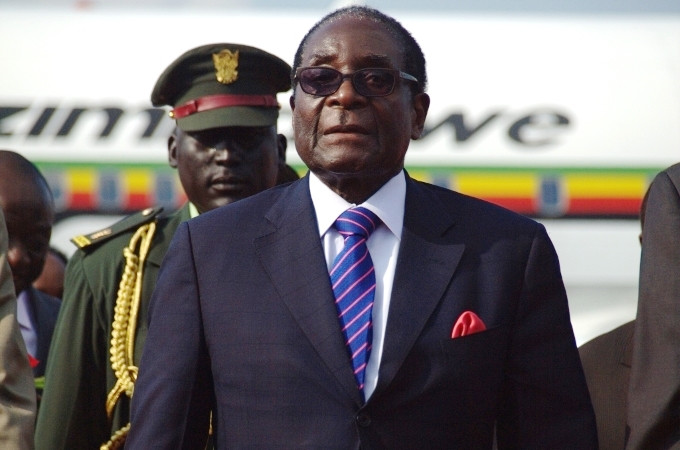
91直播 finds Mugabe withdrew from Commonwealth after judging political reform was a greater threat to his hold on power
International pressure intended to encourage democratic reform can sometimes strengthen the very governments it seeks to hold to account, according to new research from The University of Manchester.
The study examined Zimbabwe's decision to withdraw from the Commonwealth in December 2003, finding that the move was driven less by a rejection of international institutions in principle than by the ruling party's determination to remain in power.
- Zimbabwe chose to withdraw from the Commonwealth - it was not expelled or required to leave
- The government viewed the political reforms needed to regain its international standing as a threat to its domestic power
- By portraying international criticism as an attack on national sovereignty, the ruling party turned diplomatic pressure into a tool for political mobilisation
- The findings highlight how international pressure can backfire when leaders prioritise regime survival over democratic reform
Why Zimbabwe left the Commonwealth
Zimbabwe was suspended from the Commonwealth in 2002 amid concerns about its presidential election and democratic standards. When the suspension continued following a Commonwealth meeting in Abuja, Nigeria, in December 2003, President Robert Mugabe's government announced its withdrawal.
But the research, by Dr Arthur Shirichena of The University of Manchester and Pofela Ndzozi of Lupane State University in Zimbabwe, argues that withdrawal was a strategic political choice.
The authors examined documentary evidence, including Commonwealth and Zimbabwean government records, parliamentary material and contemporary reporting, to understand the decisions behind the country's departure.
They argue that meeting the conditions for reinstatement 鈥� including improvements to elections, media freedom, judicial independence and political violence 鈥� risked weakening ZANU-PF's control.
The government continued to pursue a return to the Commonwealth while that appeared possible on terms it could accept. Once the Abuja outcome made that prospect less realistic, leaving became a way to protect its domestic position rather than accept reforms that might undermine it.
Turning criticism into a defence of sovereignty
The study finds that the government also used international criticism to reinforce its political narrative at home.
By presenting the dispute as an attack on Zimbabwe's sovereignty and its anti-colonial liberation struggle, ZANU-PF could portray external pressure as foreign interference. The government could also cast domestic opponents who called for reform as aligned with outside interests.
This helped the ruling party mobilise political support and shift responsibility for Zimbabwe's international isolation onto its critics.
The authors argue that this strategy served the interests of the ruling coalition, even if withdrawal reduced Zimbabwe's diplomatic access and standing. The government's political survival, rather than the country's wider national interest, was the central consideration.
Lessons for international pressure today
The research highlights a challenge for governments and international organisations seeking to encourage democratic change: diplomatic isolation does not automatically lead to reform.
Where leaders see international demands as a threat to their hold on power, they may reject those demands, challenge the legitimacy of their critics or use the dispute to rally domestic support.
The authors caution that the Zimbabwe case does not provide a universal explanation for how governments respond to international pressure, but say it shows why the likely domestic political consequences of diplomatic action need to be considered alongside its intended goals.
When a government sees the demand of reforms as a threat to its hold on power, it may find it more useful to portray external criticism as an attack on national sovereignty than to comply. The challenge for the international community is to understand how pressure will play out in domestic politics, rather than assume that isolation will necessarily bring reform.
Publication details
The research was published in
The Round Table: The Commonwealth Journal of International Affairs.
Title:
Zimbabwe鈥檚 withdrawal from the Commonwealth: a foreign policy analysis through the logics of consequences and appropriateness
DOI:
URL: