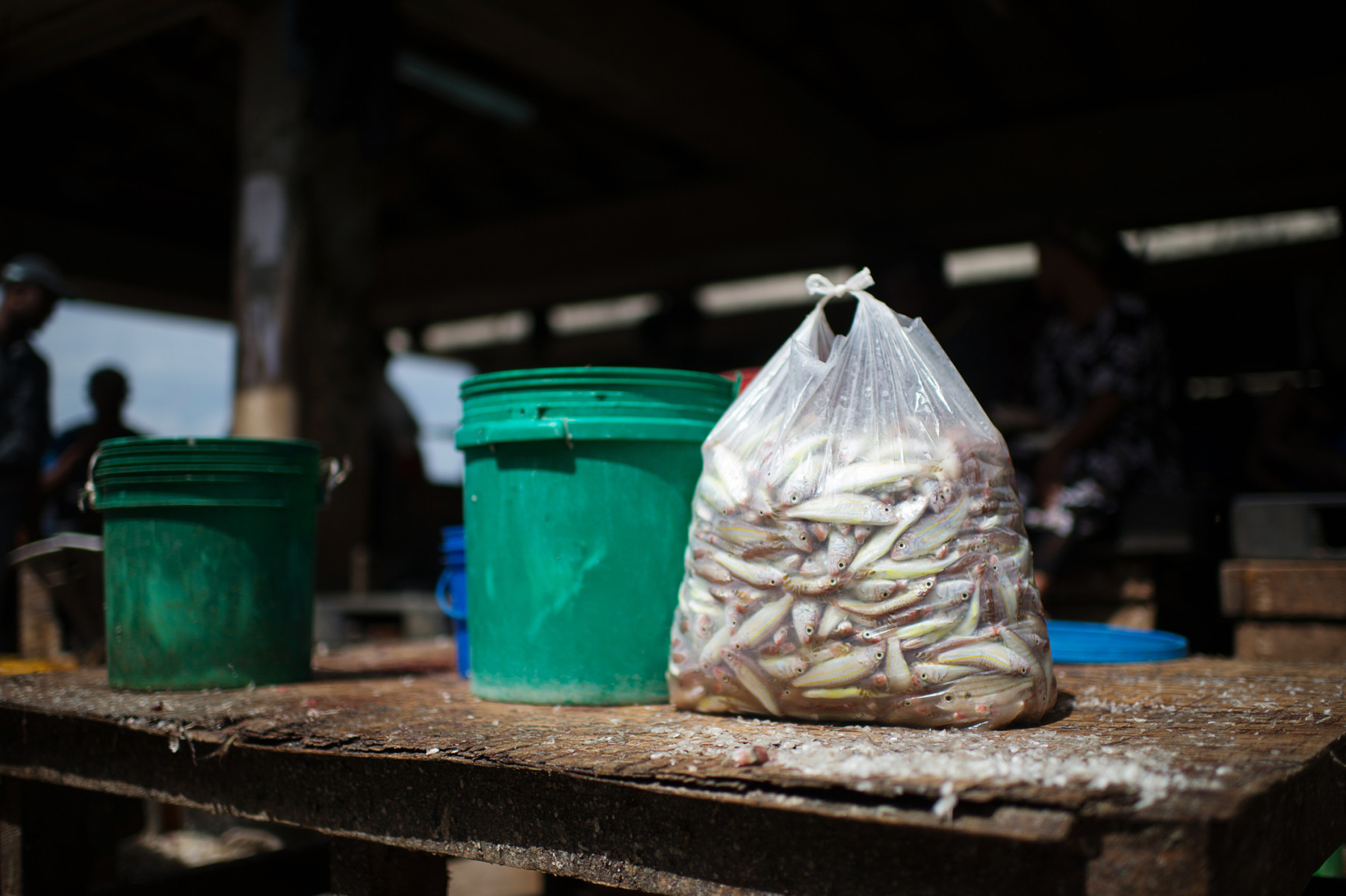
‘The Plastic Divide’ - how carrier bag bans impact the poorest communities
A new study from The University of Manchester has shed light on an unexpected consequence of plastic bag bans in East Africa, and why well-intentioned environmental laws may actually be making life harder for the people they aim to protect.
Anthropologist Dr Declan Murray spent nine months in Tanzania’s capital city Dar es Salaam, following the everyday journeys of plastic bags from small shops and street food stalls to people’s homes and workplaces. Tanzania banned plastic carrier bags in 2019, joining more than 120 countries around the world attempting to tackle plastic waste – but six years later, the ban has produced surprising results.
Despite the law, small thin plastic pouches - used to package everyday essentials like flour, oil and cooked snacks - remain a lifeline for millions of residents. For many families who live day-to-day, buying small amounts of food is the only affordable option. Without these cheap pouches, there is no practical way for shopkeepers to portion out food.
The research - which has been published in the - shows that the ban has removed large plastic bags from supermarkets and wealthier neighbourhoods, but the poorest communities have been left with few real alternatives. Paper, cloth and woven bags are too expensive, too big, or not suited to carrying wet or hot foods. As a result, small plastic pouches continue to circulate quietly, helping people to manage the daily “search for life� - a Swahili phrase many Dar es Salaam residents use to describe the struggle to earn enough money each day.
The study introduces the idea of “The Plastic Divide� - the gap between those who can easily switch away from plastics, and those whose livelihoods depend on them. Well-off residents can afford reusable bags and buy pre-packaged goods from supermarkets, but low-income families rely heavily on small shops, street food vendors and local markets - all of which depend on these plastic pouches to function.
It also highlights how many people make a living from plastics. Small-scale manufacturers, market sellers and bicycle-riding wholesalers all depend on selling the pouches. Others reuse plastic creatively - as fuel for cooking fires, rain protection, or even as a way to keep insects away from food. For these groups, plastics are not simply waste - they are tools for survival.
“Plastic pollution is a real problem, but these findings show that bans which don’t consider everyday life can hit the poorest communities hardest,� said Dr Murray. “People aren’t using plastic because they want to harm the environment - they’re using it because it’s the only option that works for them.�
The study raises important questions for governments, charities and environmental groups worldwide. It suggests that reducing plastic waste must go hand-in-hand with supporting people’s daily needs - whether through affordable alternatives, changes to food supply systems or involving low-income communities in designing solutions.
Policies which look simple on paper can have complex effects on the ground, and if the world wants to tackle plastic pollution fairly, it must first understand how plastic shapes the lives of the people who rely on it most.
DOI: