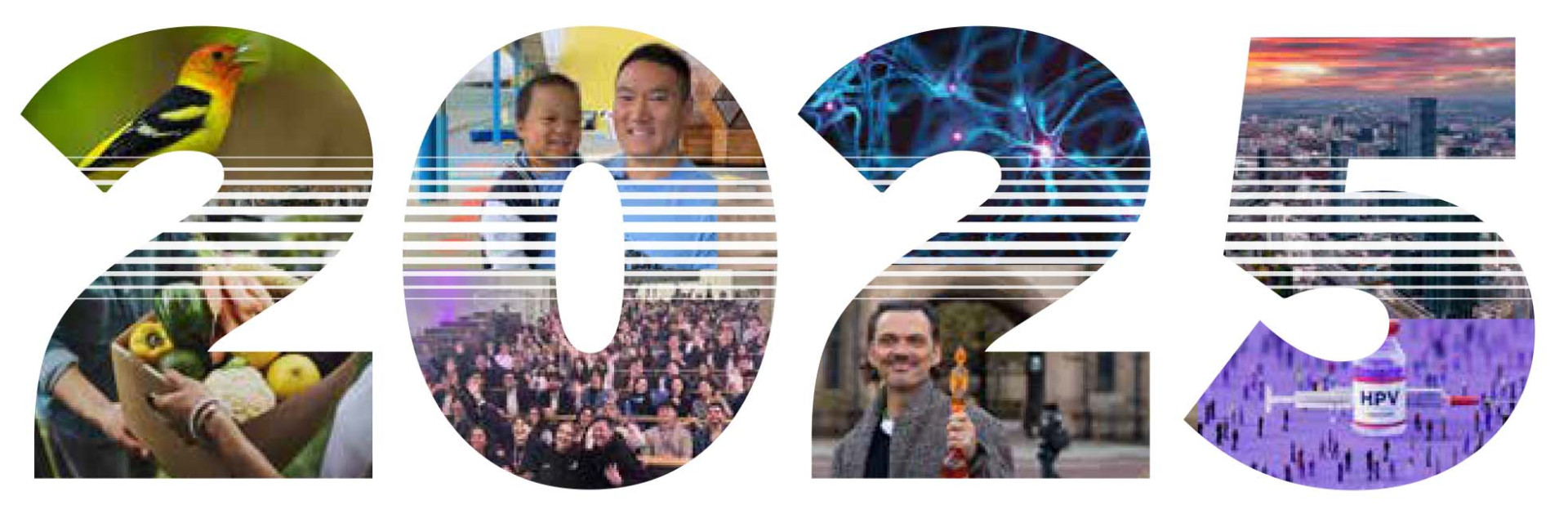
The Faculty of Science and Engineering's 2025 news highlights
Over the past year, the Faculty of Science and Engineering has delivered a wide range of work, from pioneering research breakthroughs to impactful collaborations and well-deserved recognitions. This review highlights a selection of the top stories that shaped the year across the Faculty.
January
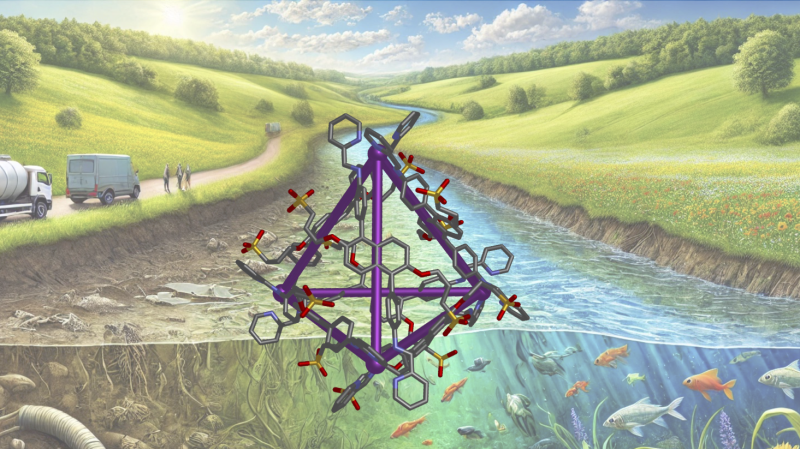
The year kicked off with surprising discoveries. Our scientists found that soap - the kind we use to wash our hands - could offer new insights into complex systems in the human body, including the lungs, and even pave the way for better therapies for conditions like respiratory distress syndrome. In materials science, our researchers designed a molecular trap with the potential to reduce water pollution from chemicals left behind by medicines and hygiene products in rivers and lakes. By the end of the month, analysis of samples from asteroid Bennu revealed fascinating clues about the origins of life and the early days of our solar system.
February
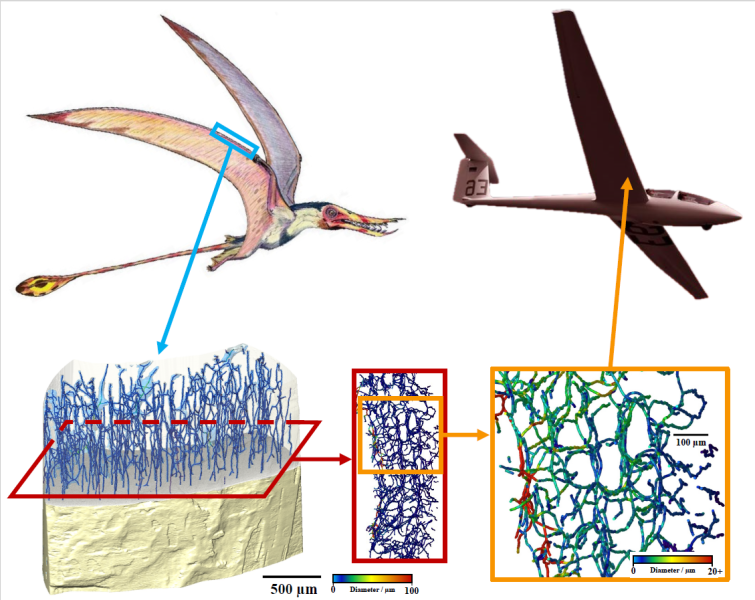
In February, our engineers found that the microarchitecture of fossil pterosaur bones could hold the key to lighter, stronger materials for the next generation of aircraft. A new atmospheric monitoring station was established at Jodrell Bank Observatory to improve the accuracy of the UK鈥檚 greenhouse gas emissions estimates. Meanwhile, researchers at the achieved a significant milestone in the field of quantum electronics.
March

Scientists developed a hydrogen sensor that could accelerate the transition to clean hydrogen energy. A from The University of Manchester鈥檚 Tyndall Centre for Climate Change Research revealed that their 鈥� successfully supported Massive Attack in delivering the lowest-carbon live music event of its kind. Elsewhere, launched a national-scale assessment of interactions between wind farms, supporting policymakers and industry leaders to support the journey to net zero.
April
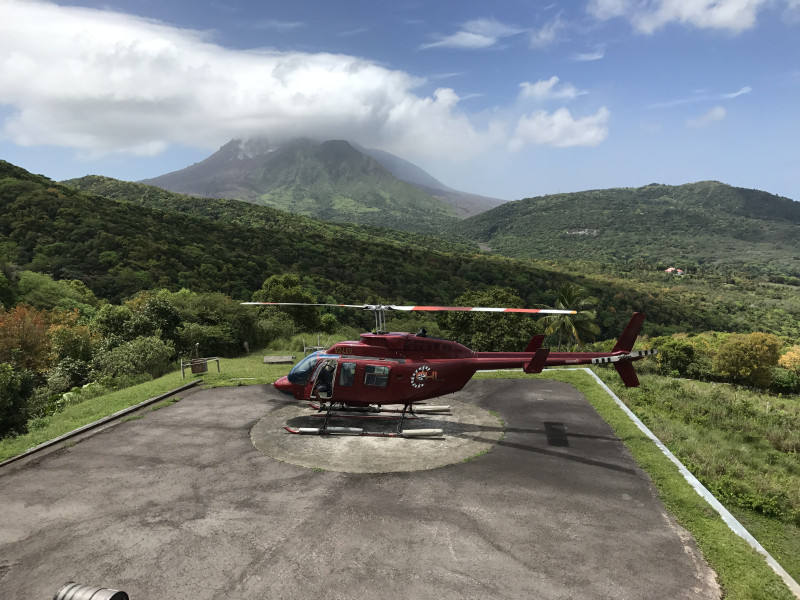
Earth Science researchers found that estimates of carbon dioxide (CO2) emissions from volcanoes may have been significantly underestimated, while underwater avalanches, known as turbidity currents, were shown to be responsible for transporting vast quantities of microplastics into the deep sea. Physicists made a landmark discovery, uncovering the first clear evidence that matter particles, known as baryons, behave differently from their antimatter counterparts. Scientists part of CERN鈥檚 Large Hadron Collider (LHC) collaborations, were also honoured with the 2025 .
May
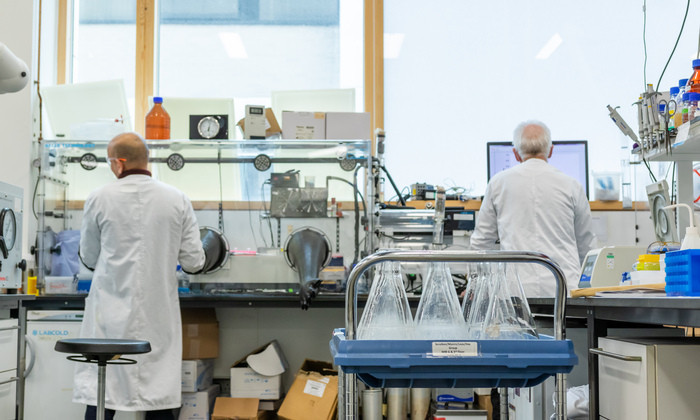
Researchers at the 91直播 Institute of Biotechnology demonstrated how genetically engineered enzymes can harness visible light to drive highly selective chemical reactions. Researchers also launched a new project with Equinor to understand how microbes in deep underground storage sites could impact the success of carbon capture and storage.
June
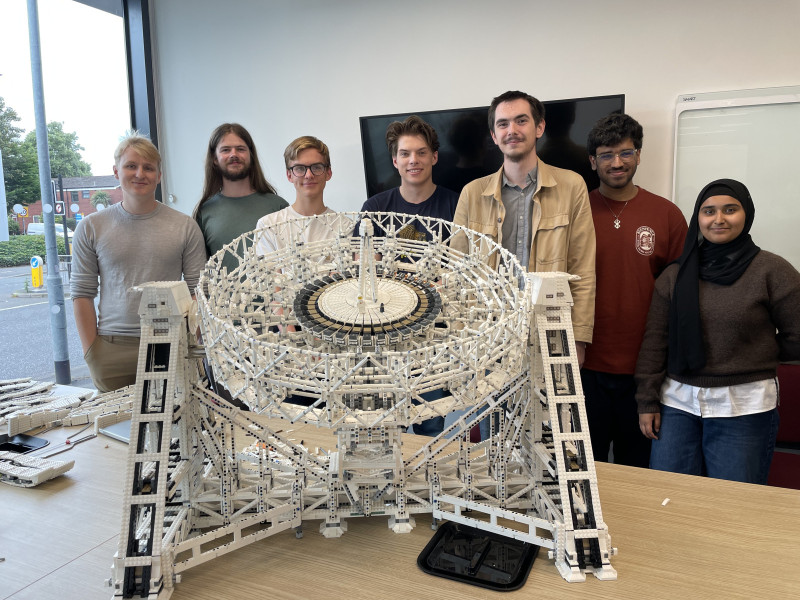
June was a month of celebration. became one of one of ten finalists to be awarded 拢100,000 in seed funding to develop his solution for this year鈥檚 , while four colleagues were honoured by the Royal Society of Chemistry for their outstanding contributions to the chemical sciences. Students from The University of Manchester鈥檚 Physics Society constructed a remarkable 30,500-piece Lego model of the iconic Lovell Telescope at Jodrell Bank, commemorating the observatory鈥檚 80th anniversary. In new research highlights, Manchester astronomers revealed the first look from the world鈥檚 largest digital camera, and chemists created a molecular magnet that could boost data storage by 100 times
July
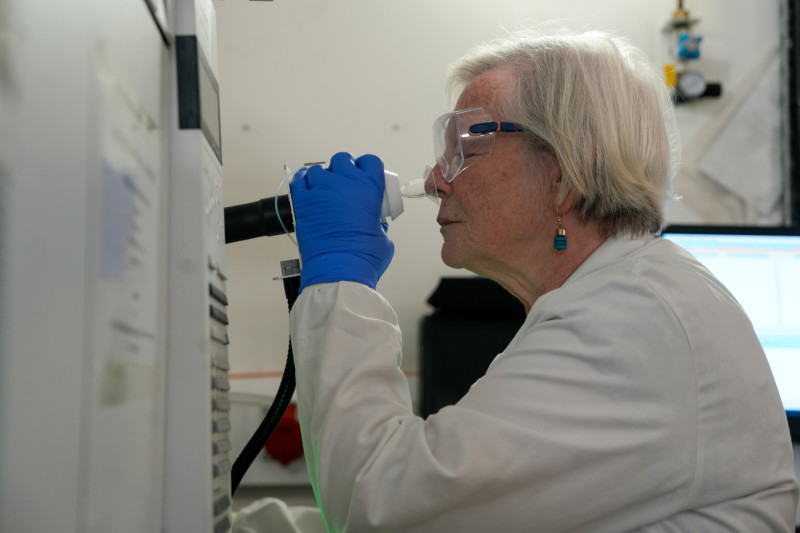
A new 'nose to diagnose鈥� study revealed promising progress in developing a non-invasive sampling method to detect early signs of Parkinson鈥檚 disease 鈥� up to seven years before motor symptoms appear - by analysing the chemical makeup of skin. Scientists also discovered hundreds of giant sand bodies beneath the North Sea that appear to defy fundamental geological principle, while new research provided unprecedented insights into the hidden forces behind devastating Alpine debris flows, offering hope for better protection against future disasters.
August
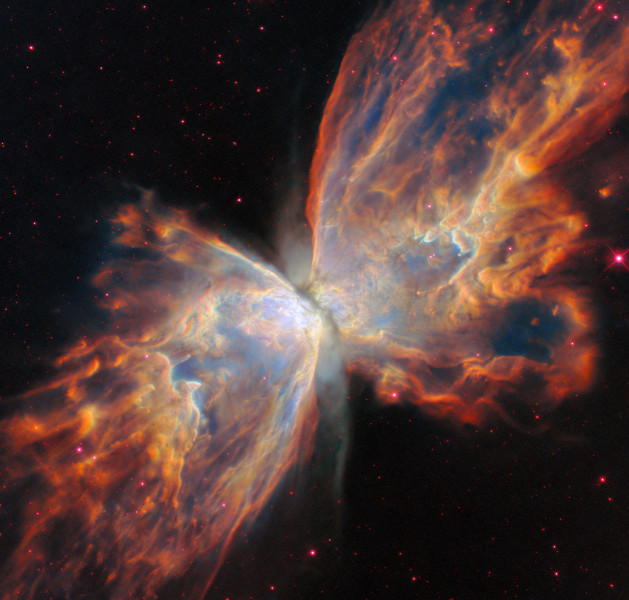
Over the summer, academics were awarded a major grant to lead a new programme that will transform the lifecycle of graphite in nuclear energy. Researchers uncovered a hidden pattern in birdsong that mirrors a core rule of human language, and for the first time, directly tracked the slow transformation of a dying star over more than a century. The James Webb Space Telescope also captured extraordinary new details in the heart of the famous Butterfly Nebula.
September
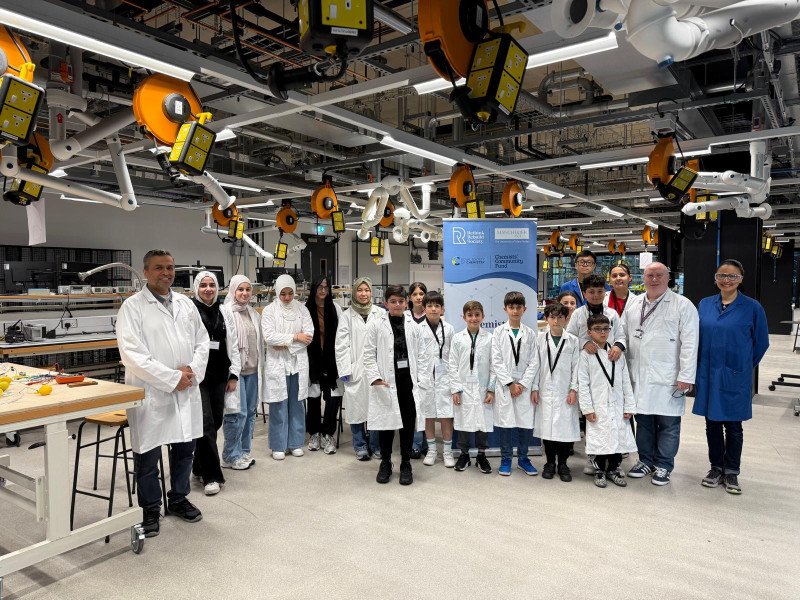
In September, we highlighted a series of workshops held by Chemists at the University for refugee children across Greater 91直播. Professor Zara Hodgson and Professor Jovica Milanovi膰 were elected by the to its Fellowship. The Tyndal Centre makred its 25th anniversary and published a new report revealing that the UK now uses less energy than almost anyone anticipated 20 years ago.
October
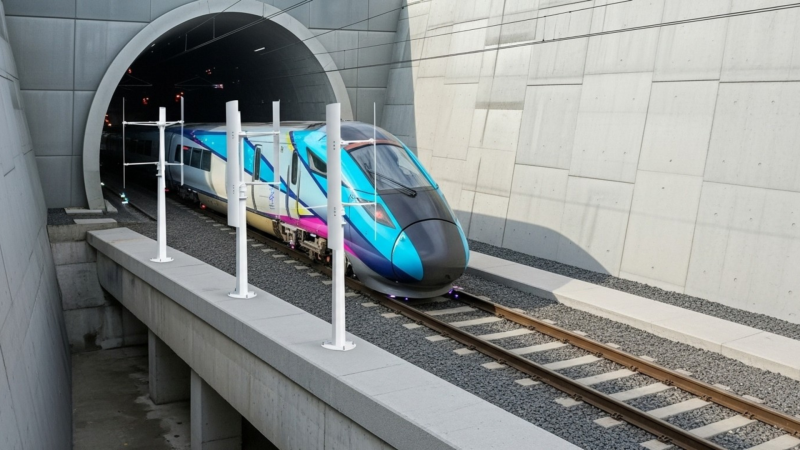
A near-complete skeleton found on UK鈥檚 Jurassic Coast was identified as a new and rare species of ichthyosaur. Researchers also launched a new project to develop a pioneering technology to harness powerful wind in railway tunnels, turning them into renewable energy power stations.
November
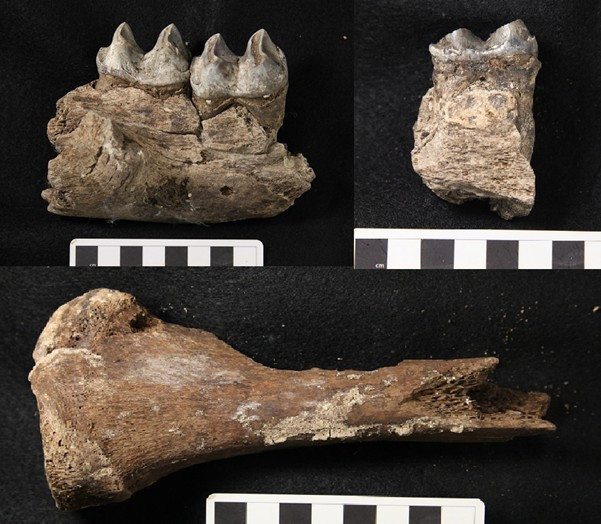
Scientists uncovered a surprising link between koala and Ice Age 鈥渕arsupial lion鈥�. A unique collaboration between academics, the government and the public found that reducing the UK鈥檚 energy demand could help the country reach its net zero target faster and at half the cost compared to relying mainly on supply-side technologies. A collaboration with Marketing 91直播 revealed that tourism in Greater 91直播 generated around 2.5 million tonnes of CO鈧� equivalent in 2023, with most emissions linked to how visitors travel to and from the region.
December
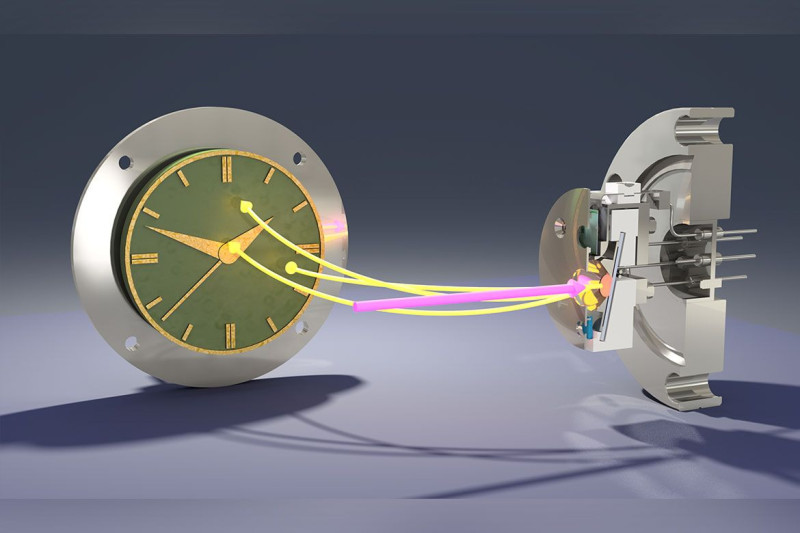
The year concluded with major breakthroughs. Scientists finally closed the door on one theory for a long-standing mystery in particle physics, confirming there is no sterile neutrino with 95% certainty. The world鈥檚 most precise nuclear clock ticked closer to reality, astronomers captured the most detailed images ever taken of a jet launched by a young star, current housing and climate policies are failing to keep up risk from rising temperatures and soaring energy costs, and a 91直播 astronomer is set to build the most detailed and accurate model of the radio sky ever built.