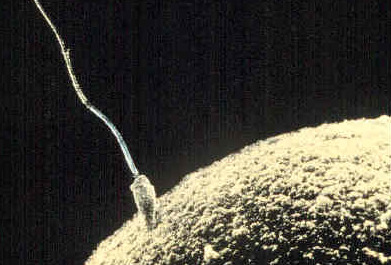
Seasonality likely to affect male fertility, study shows
The quality of sperm is highest in the summer and lowest in the winter according to a new study by scientists at University of Manchester, Queen’s University (Ontario, Canada), and Cryos International (Aarhus, Denmark).
The researchers found the same pattern of seasonal variation in the highest quality sperm in two very different climates— Denmark and Florida— suggesting that seasonality affects male fertility more than temperature alone.
The study was published in the peer-reviewed journal and has practical implications for male fertility care.
Understanding seasonal patterns, for example, could help clinics optimise the timing of treatment and fertility testing to provide better guidance to couples trying to conceive.
Though scientists have long known that many human biological processes change with the seasons, previous studies on the quality of semen at different times of the year have provided conflicting results due to small sample sizes or differences in climate and laboratory methods from study to study.
To address that, this new study analysed semen samples from 15,581 men applying to be sperm donors between 2018 and 2024.
The men were aged 18 to 45 and lived near Cryos International clinics in Denmark and Florida.
All samples were analysed within an hour using the same computer assisted system to ensure consistent measurement.
The team examined sperm concentration, sperm motility (how well sperm can swim and move forward), and ejaculate volume across all months of the year.
They also looked at outdoor temperatures during the month the sperm was collected and two months earlier, when early sperm development begins.
We were struck by how similar the seasonal pattern was in two completely different climates. Even in Florida, where temperatures stay warm, sperm motility still peaked in summer and dipped in winter, which tells us that ambient temperature alone is unlikely to explain these changes
Advanced statistical models were used to identify seasonal trends while accounting for the man’s age, outdoor temperatures, and long-term changes across the study period.
The results revealed strong and consistent seasonal variation in the concentration of progressively motile sperm.
Fast‑moving sperm were most abundant in June and July in both Denmark and Florida.
Levels were lowest in December and January, even though Florida remains warm year round.
The study found no seasonal changes in total sperm concentration or ejaculate volume, suggesting the number of sperm produced does not vary by season, though their ability to move effectively does.
The number of motile sperm per ejaculate also followed a seasonal pattern, even after accounting for temperature, indicating that factors other than heat—such as variation in lifestyle, daylight, or environmental exposures—may influence sperm motility.
Co-author P from The University of Manchester said: “We were struck by how similar the seasonal pattern was in two completely different climates.
“Even in Florida, where temperatures stay warm, sperm motility still peaked in summer and dipped in winter, which tells us that ambient temperature alone is unlikely to explain these changes.�
He added: “Our study highlights the importance of considering seasonality when evaluating semen quality. It also shows that seasonal variation in sperm motility occurs even in warm climates. These findings deepen our understanding of male reproductive health and may help improve fertility outcomes.�
Medical director at Cryos international, Anne-Bine Skytte said: “These data suggest that the month of the year when a man first attends a clinic to be evaluated as a sperm donor, will impact on the quality of the sample he produces and therefore may influence the chances of him being accepted as a donor.
“Having an ejaculate that contains a high number of swimming sperm is one of the main characteristics we look for when deciding whether he is suitable or not.
- The paper Seasonal trends in sperm quality in Denmark and Florida is available https://doi.org/10.1186/s12958-026-01537-w