By , Professor of Evolutionary Ecology & Conservation, The
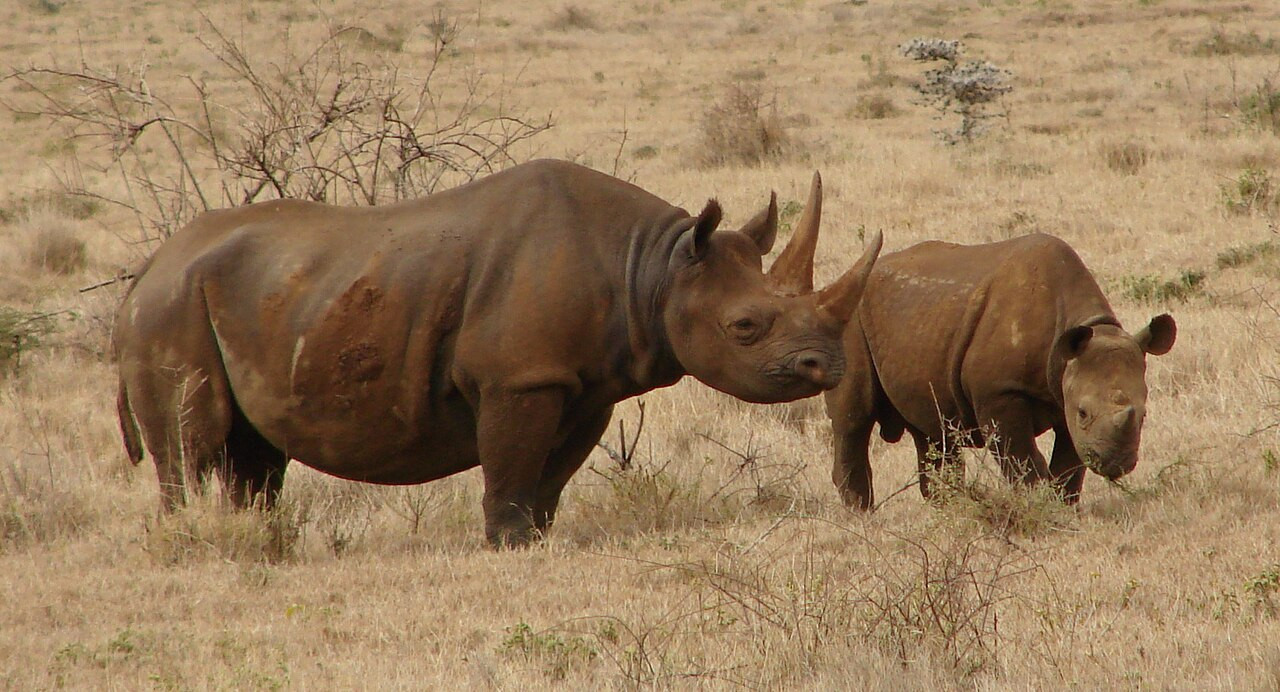
On the western flanks of Mount Kenya lies the Laikipia plateau, an achingly beautiful landscape that is both a refuge for wildlife and a home to traditional Masai communities. Black rhinos, which were once nearly extinct, are now thriving on some of these conservation properties, thanks to the intense efforts to keep them safe.
The tells the story of the people and the challenges faced to in this volatile landscape. The cinematography and score beautifully captures the landscape, people, animals and pace of life, which is at times languorous and at times frantic.
The story unfolds from the perspective of two rangers. Ramson Kiluko is an experienced ranger who works with his team to watch, protect and understand the rhinos. The film gives us a glimpse into his family life, the camaraderie of the ranger team and the rich knowledge he has about the lives of individual rhinos and their landscape. Rita Kulamu is a young ranger learning about rhinos as her property prepares to welcome them. Their work takes place against a background of danger, posed by both people and animals.
Rhino focuses on the critical role rangers play in the conservation story of black rhinos, which is an inspiring change from the traditional wildlife documentary that suggests a wildness that exists without the need for human intervention or involvement. Once on the brink of extinction, it is precisely the intensive efforts made to protect rhinos by people like Kiluko and Kulamu that has seen .
The film loosely follows a narrative around the planned move of 21 rhinos from the and reserves in central Kenya, where they are too numerous, to – a 58,000 acre wildlife conservation area which has long been without rhinos.
On Lewa and Borana, the rhinos fight for space and territory, on Loisaba they have the opportunity to create a new breeding population. Moving rhinos between reserves is a core part of their conservation. Poaching pressures require rhinos to be fiercely guarded. In Kenya, where my team has carried out research to understand the factors that lead to successfully breeding , rangers are tasked with finding each rhino every day. Fences that keep rhinos in and people out mean that rhinos cannot move to avoid threats, avoid inbreeding, or to reestablish populations where they no longer are found.
Moving rhinos is far from easy. They can be aggressive and need to be handled with care. Rhinos are also not very resilient to being moved between properties. These moves often lead to rhinos dying from fighting, stress and .
The film shows how led to a delay of several years to try to maximise the success . This widespread and prolonged drought caused intense suffering of humans, livestock and wildlife. Conflicts over animals and land boiled over, leading to violence but also . These day-to-day challenges faced by conservationists are rarely touched on. Hopefully this film will help audiences understand that there are legions of passionate conservation professionals behind every success story.