Research with fruit flies could unlock riddle of neurodegenerative disorders
A by University of Manchester scientists using fruit flies as model has identified a mechanism which can explain aspects of neurodegeneration which have baffled scientists for decades.
Scientists have long known that inherited neurodegenerative disorders, including Alzheimer’s, Parkinson’s or motor neurone disease, can be traced back to genetic mutations. However, how they cause the diseases remains unanswered.
In today’s issue of the journal Current Biology Professor Andreas Prokop revealed that so-called ‘motor proteins’ can provide key answers in this quest.
The research by the Prokop group focusses on nerve fibres, also called axons. Axons are the delicate biological cables that send messages between the brain and body to control our movements and behaviour. Intriguingly, axons need to survive and stay functional for our entire lifetime!
To survive long-term, axons harbour complex cellular machinery. This machinery crucially depends on the transport of materials from the distant nerve cell bodies which is performed by motor proteins running along thin fibres called microtubules.
If mutations in motor protein genes abolish their ability to transport cargo, this causes axonal decay, and many inherited neurodegenerative diseases can be traced back to such mutations. However, another class of mutations also linking to neurodegeneration, causes motor protein hyperactivation, meaning that motor proteins are constantly active, unable to pause.
“So far, it has been difficult to explain why both disabling and hyperactivating mutations can cause very similar forms of neurodegeneration.� said Professor Prokop.
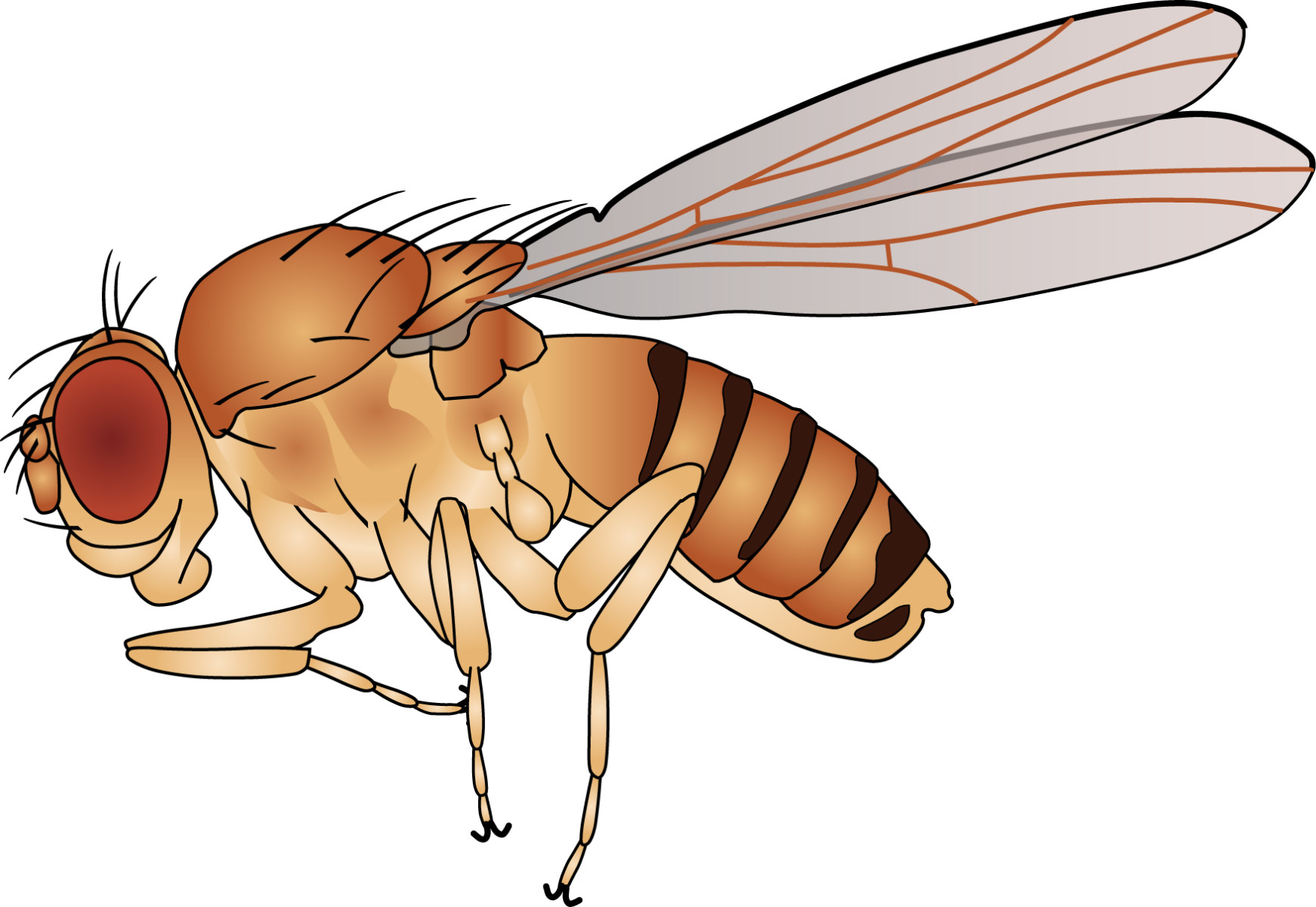
“To find answers, we use fruit flies, where research is fast and cost-effective and where many of the relevant human genes have close equivalents and perform similar functions in nerve cells. Capitalising on these advantages, we could show that disabling as well as hyperactivating mutations cause a very similar pathology in axons: straight microtubule bundles decay into areas of disorganised microtubule curling, similar to dry versus boiled spaghetti.�
So far, it has been difficult to explain why both disabling and hyperactivating mutations can cause very similar forms of neurodegeneration
Further investigations revealed that hyperactivating and disabling mutations work through two different mechanisms that eventually converge to induce this curling:
Even under normal conditions, cargo transport along microtubules generates damage, like cars cause potholes – and this requires maintenance mechanisms to repair and replace microtubules. The balance between damage and repair is disturbed if motor proteins are hyperactivated or if maintenance machinery fails - both leading to microtubule curling as a sign of axon decay.
Prokop said: “In this scenario, disabling mutations could be assumed to cause less curling because there is less damaging traffic. However, less traffic depletes supply to the axonal machinery, and this triggers a condition referred to as oxidative stress. We could show that oxidative stress affects microtubule maintenance and leads therefore to the same kind of microtubule curling as observed upon motor hyperactivation.�
“These findings suggest a circular relationship which we called the “dependency cycle of axon homeostasis�, proposing that axon maintenance requires a microtubule- and motor protein-based machinery of transport which, itself, is dependent on this transport.�
Any gene mutations affecting axonal machinery in ways that cause oxidative stress, or that disturb the balance between microtubule damage or repair, can break this cycle. This can explain a long-standing conundrum in the field: why almost any class of neurodegenerative disease can be caused by mutations in a wide range of genes linking to very different cellular functions.
He added: “Parallel work by my group strongly supports the dependency cycle model. Importantly, since the fundamental genetic makeup of fruit flies and humans is surprisingly similar, it is very likely that our findings are replicated in humans – and there are good indications already.�