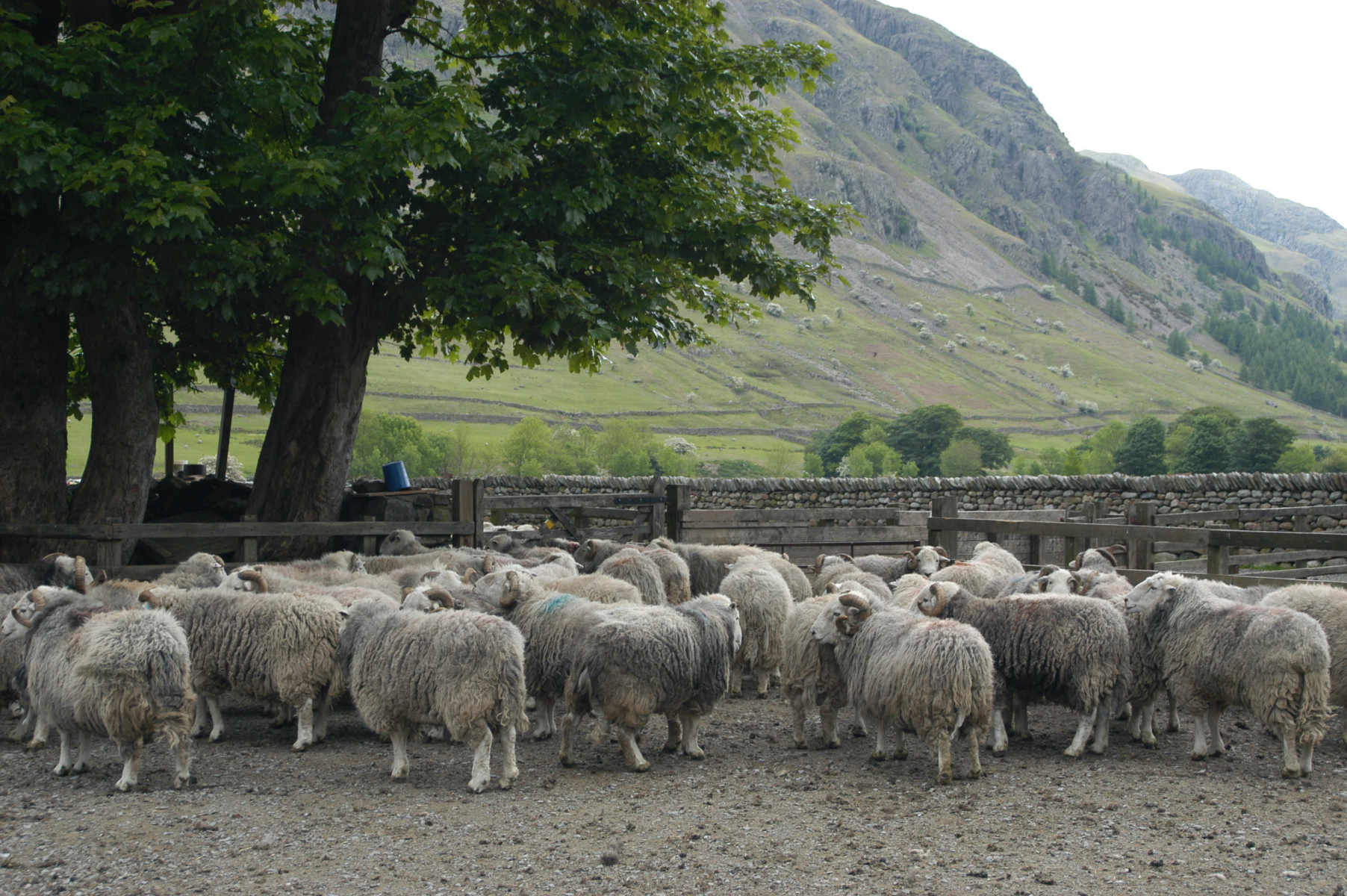
Removing livestock from grasslands could compromise long-term soil carbon storage, study finds
Removing sheep and other livestock entirely from upland grasslands – a strategy often promoted as a way to boost carbon storage and tackle climate change – may actually reduce the most stable forms of soil carbon, according to new research.
The study, led by The University of Manchester, suggests that while removing livestock from upland grasslands can increase fast-cycling carbon stored in plants and dead vegetation, it can also lead to losses of a more stable form of soil carbon. This long-lived carbon, known as mineral-associated organic carbon (MAOC), is bound to soil minerals and can persist for decades to centuries, making it critical for long-term climate mitigation.
Grasslands store around one-third of the world’s terrestrial carbon, with the vast majority being found in soils. As governments pursue net-zero targets, removing livestock from historically grazed grasslands has increasingly been proposed as a scalable climate solution.
Traditionally, scientists and land managers have relied on “total carbon stocks� to assess carbon removal projects. However, the new findings, published in the today, show that focusing solely on the total amount of carbon stored, rather than how securely it is stored, may be misleading.
“While ungrazed grasslands tend to accumulate more unprotected carbon in plants and litter, they are associated with lower levels of soil carbon protected by minerals, which is the form most resistant to warming-induced decomposition,� explained Dr Luhong Zhou, lead author of the study and visiting scholar at The University of Manchester. “Although high grazing intensity can negatively affect soil carbon, our results show that total grazer exclusion does not necessarily lead to greater long-term soil carbon storage.�
The team of researchers from The University of Manchester (UK), Lancaster University (UK), Yale University (USA), Fujian Normal University (China), and Leiden University (the Netherlands), analysed 12 upland grassland sites across an 800-kilometre south–north gradient in the United Kingdom, from Dartmoor to Glensaugh in Scotland. At each site, they compared grasslands that had been ungrazed for more than ten years with neighbouring areas that had been grazed over that time.
They found that ungrazed grasslands tended to accumulate more short-lived carbon in plant biomass and surface litter but generally contained lower levels of MAOC.
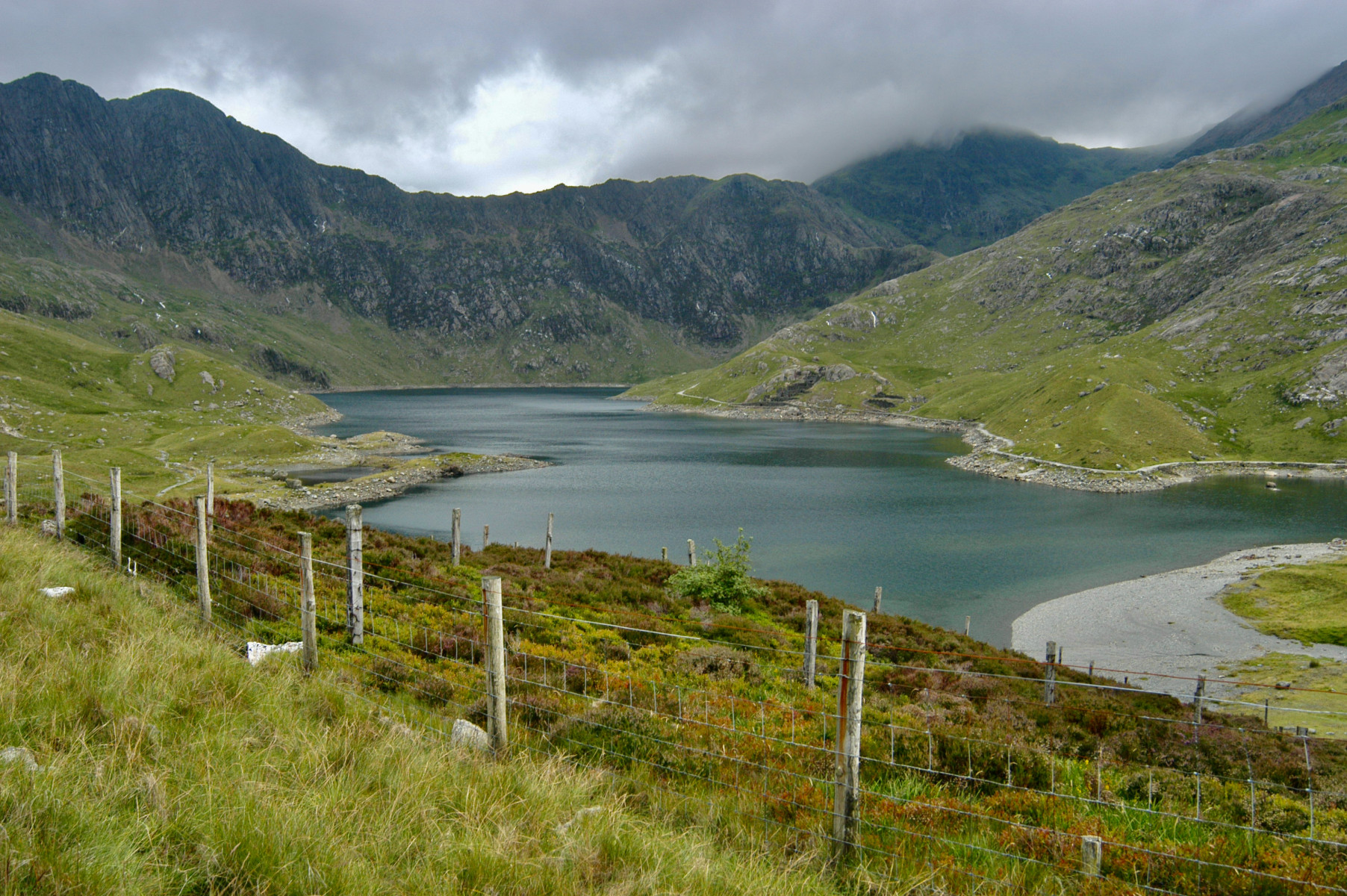
The decline in long-lived soil carbon is linked to changes in vegetation following the removal of grazing sheep. As a result, grass-dominated landscapes are increasingly replaced by dwarf shrubs such as heather. The roots of the shrubs form associations with a specialised fungi called ericoid mycorrhiza. These fungi slow the decay of plant litter, causing an increase in production of short-lived carbon but also stimulating the breakdown of older, more stable soil carbon, in order to gain nutrients to sustain plant growth. Wetter soils can also further weaken the minerals that normally help protect MAOC.
“Viewing grazer removal as a universally beneficial strategy for carbon mitigation often overlooks the continuum of carbon durability within ecosystems, and the fact that not all carbon gains contribute equally to long-term climate mitigation,� said Dr Shangshi Liu from the Yale Center for Natural Carbon Capture who co-led this study. “ When slow-cycling carbon declines, grassland carbon stocks may become more vulnerable to future climate change. Effective climate mitigation strategies must therefore consider both how much carbon is stored and how durable it is�
The findings come at a critical time for environmental management policy in the UK and globally, as governments develop land-use frameworks to meet net-zero targets.
Professor Richard Bardgett, Chair of Ecology at Lancaster University, who initiated the study while at The University of Manchester, said: “Our results suggest that maintaining low-intensity grazing in upland grasslands, which cover large areas in the United Kingdom, is important for protecting the most stable forms of soil carbon.�
The authors emphasise that their findings do not argue against reducing overgrazing. Rather, they call for more balanced grassland management approaches that account for both total carbon stocks and carbon persistence.
The study was funded by the UK Natural Environment Research Council (NERC), the Biotechnology and Biological Sciences Research Council (BBSRC), the European Research Council (ERC), and Yale Center for Natural Carbon Capture fellowship.
The findings are Published in PNAS
Full title: Grazer exclusion is associated with higher fast-cycling carbon pools but lower slow-cycling mineral-associated carbon across grasslands
DOI: