Reimagining openness in academic libraries:
Reflections from ALN conference 2026
Why openness needs to go beyond access
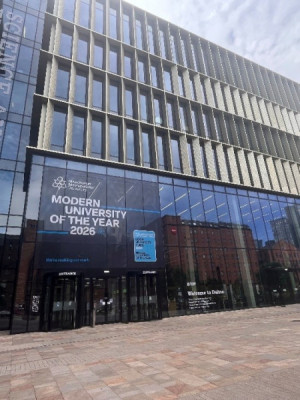
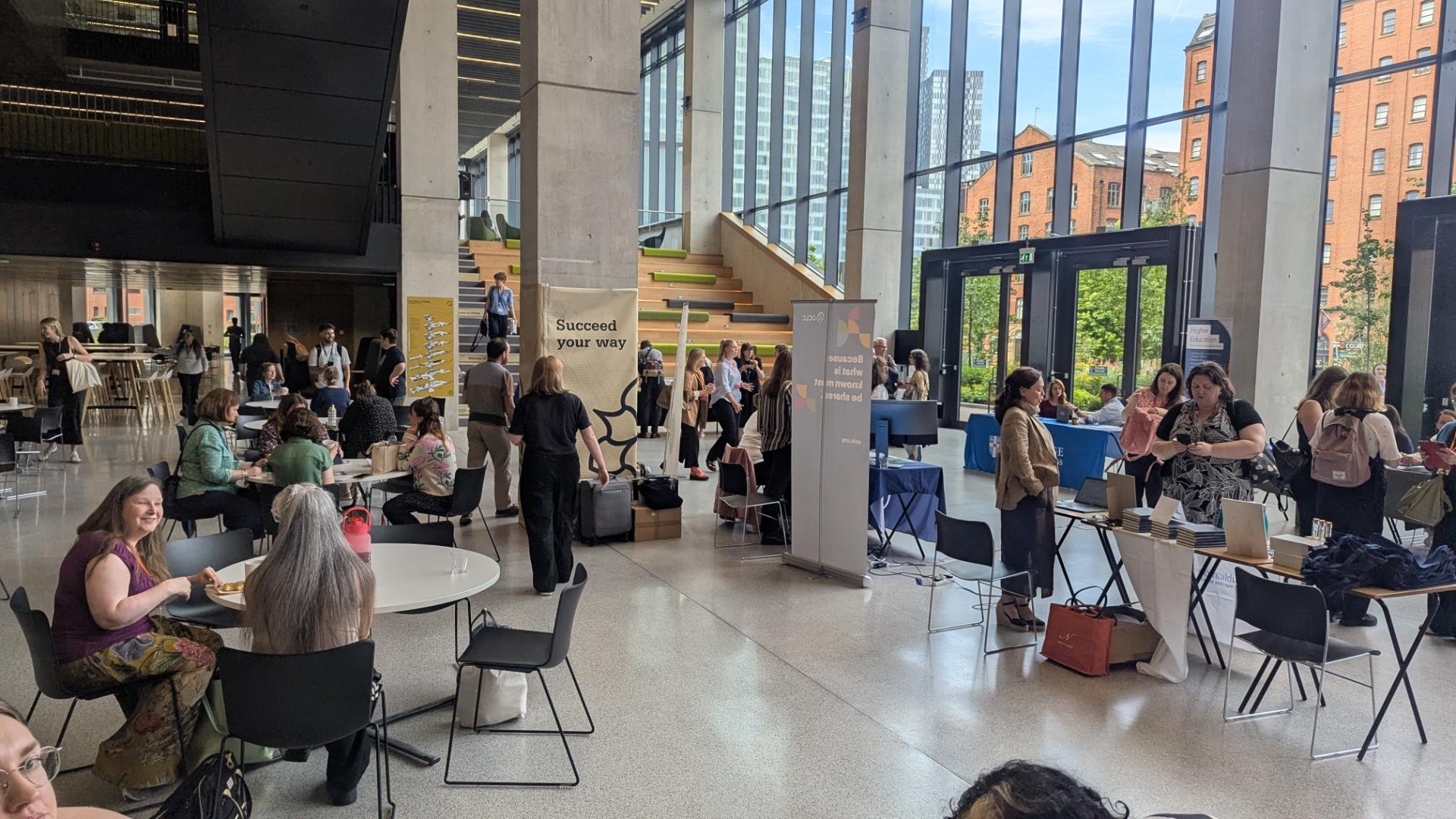
Earlier this year, Open Research Librarian Abi Harrison-Henshall and Open Research Specialist Dr. Sarah Kneen attended the Academic Libraries North (ALN) Conference 2026: Reimagining Openness in Academic Libraries. The conference brought together library professionals from across the sector to explore what openness means in practice, and encouraged us to think beyond Open Access as simply making research free to read.
We came away reflecting on four themes which feel especially relevant to our work in the Office for Open Research: accessibility, engagement beyond our usual spaces, diverse routes to knowledge sharing, and the need for open research to be sustainable.
Openness is not the same as accessibility
A recurring theme throughout the conference was the difference between openness and accessibility. Making research or learning resources openly available does not automatically mean they are easy to find, understand, use, representative of or relevant to the people who might benefit from them.
Several sessions, including Caroline Ball鈥檚 keynote and Janice Fernandes and Basiratu Kolawole鈥檚 talk on Open Librarianship, encouraged us to think more carefully about what we are making open, and who we are making it open for. They reminded us that much open access content still reflects Western academic traditions and knowledge systems. Increasing access to this work is valuable, but it does not automatically address the barriers faced by communities and knowledge holders who have historically been excluded from research and publishing.
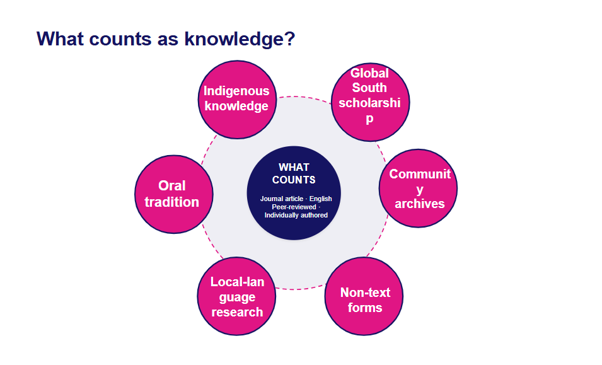
The discussion around Author Accepted Manuscripts (AAMs) and 鈥榦pen routes to reading鈥� from Kirstyn Radford, Megan Kilvington and Delphine Doucet听highlighted a related challenge. While green open access can improve access to research, discoverability remains a barrier. Many potential users may not know that alternative versions exist, or how to find and use them.
These conversations reminded us that openness should not only focus on removing paywalls. It should also be about creating clearer pathways for diverse communities to engage with, contribute to, and benefit from research.
Looking beyond the library
Another key takeaway was the need to look beyond our usual spaces and audiences.
As inspiring as it was to spend time with colleagues who are passionate about openness, we also recognised that conversations often happen within the same professional circles. If we want openness to have a broader impact, we need to keep finding ways to connect with people beyond the library and beyond academia.
One example that stayed with us was a discussion led by Lucy Grove at Lancaster University about reaching "library-cautious" or "library-sceptical" students by intentionally positioning support outside traditional library spaces. Rather than expecting people to come to us, the focus was on meeting communities where they already are.
This connected strongly with our own reflections on research support and engagement. It reinforced the value of co-creation and partnerships, whether that means working with postgraduate researchers or our Open Research Fellows to shape learning resources, taking bespoke training directly into academic departments, or engaging with external communities in conversations about research and publishing.
Valuing diverse routes to sharing knowledge
The conference also encouraged us to think more broadly about the forms of research dissemination we encourage and celebrate.
Traditional scholarly publishing will always play an important role, but many encounter research through blogs, newsletters, videos, Wikipedia, podcasts, or other publicly accessible formats. These routes can help research reach wider and more diverse audiences, supporting the broader goals of open research.
There are challenges with this, however. Universities and researchers continue to place greater value on conventional scholarly outputs, with this still having career implications based on paper citations and journal prestige. Supporting a wider range of dissemination methods therefore requires ongoing work to influence research culture and demonstrate the value of different approaches to knowledge sharing.
For us, this was a useful reminder that openness is not just about making existing systems work better. It is also about questioning who those systems serve, whose voices they include, and how they might evolve to support a wider audience.
Open Research must be sustainable
Alongside enthusiasm for open research, the conference also acknowledged some of the challenges researchers face when putting open practices into action.
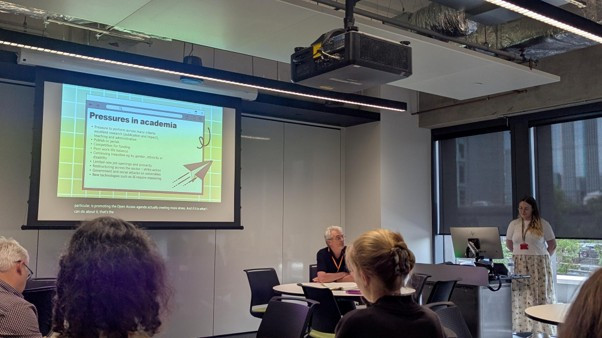
A particularly thought-provoking 听session from Nicola Wylie (Lancaster University) and Andrew Cox (University of Sheffield) explored the impact that open research expectations can have on researchers' wellbeing. Greater transparency, sharing, documentation and publishing requirements can bring real benefits, but they can also create additional work, especially when they are not matched by appropriate recognition, support or resources.
This balanced perspective felt important. It placed open research within a wider conversation about research culture, incentives and sustainability. If institutions want researchers to engage meaningfully with open practices, those practices need to feel achievable, valued and properly supported, rather than like another pressure added to already demanding workloads.
It also prompted us to reflect on the role libraries and research support services can play in reducing that burden. How can we make open practices easier to navigate, better integrated into existing workflows, and supported in ways that are practical as well as in principle?
Final thoughts
Our reflections from ALN 2026 have reinforced the importance of thinking about openness as an ongoing process rather than a destination. As a team, we want to continue exploring ways to make our learning resources more accessible and flexible, increase opportunities for co-creation, and take support into the spaces where researchers already work and learn.
We also want to keep advocating for diverse forms of research communication, while thinking carefully about how our work can better engage audiences beyond the University, and support researchers in sustainable ways.
Ultimately, the conference reminded us that openness is about creating meaningful opportunities for participation, inclusion, and connection. We left with plenty to think about, and we look forward to continuing these conversations and applying what we've learned in our own practice.
More information
- Access .
- Caroline Ball's keynote slides, referenced within the piece above, are .
- Explore .
- .
Dr Sarah Kneen, Open Research Specialist: Open Research Programme
Abi Harrison-Henshall, Open Research Librarian: Open Access