Extreme rainfall caused by climate change creates uneven risks to Chinese farming
New research highlights combined dangers of extreme rainfall and poor transport accessibility for China’s farmland
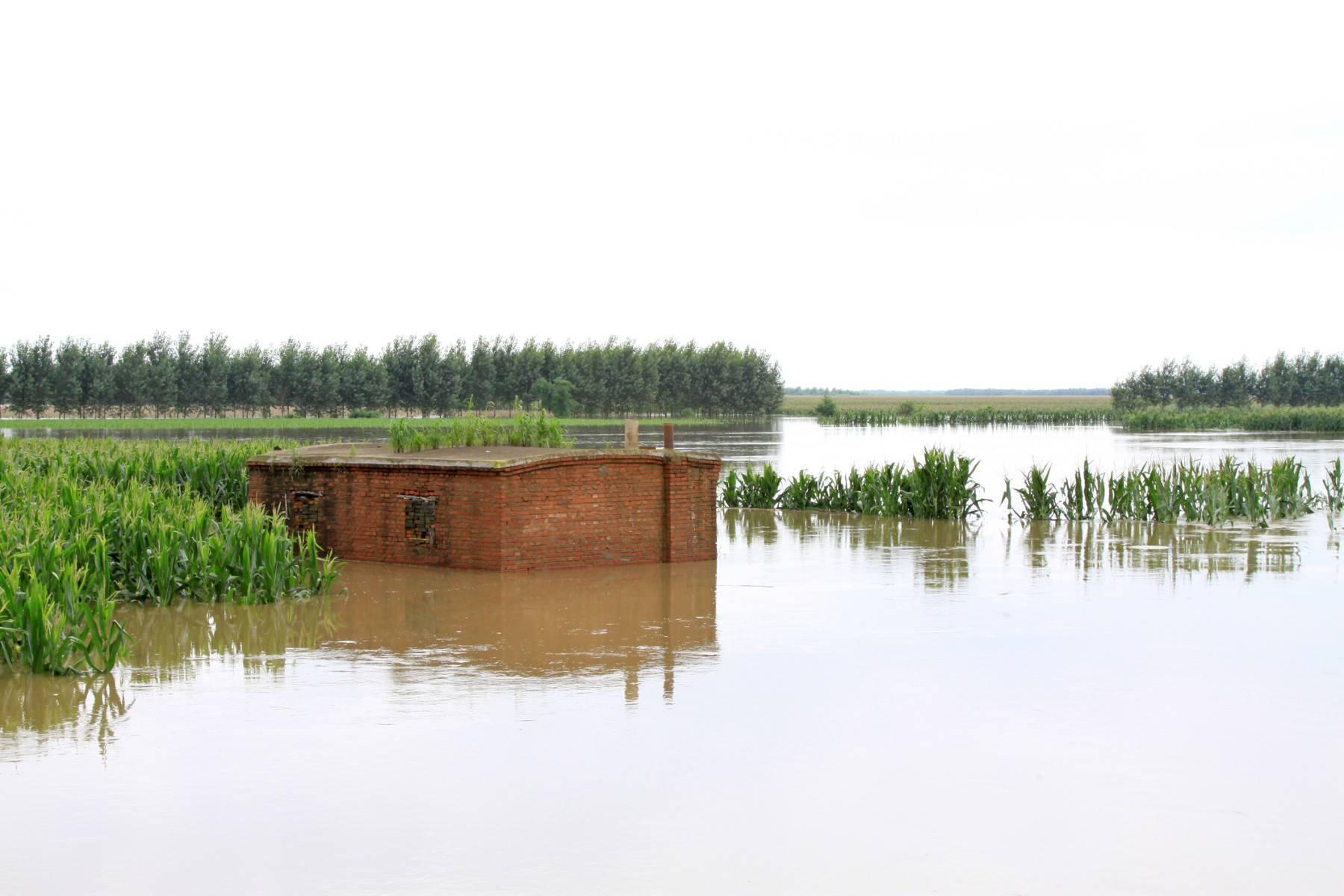
Southwest China is one of the areas with the highest long-term cropland exposure to extreme precipitation
Extreme precipitation intensity has fluctuated but generally increased in the Huang–Huai–Hai Plain and Northeast China Plain since 2000.
Areas where primary industry accounts for 30–40 per cent of the local economy showed the lowest levels of extreme precipitation exposure.
The relationship between rural population and rainfall exposure is complex, with extreme precipitation intensity peaking at some moderate population levels.
Areas with high exposure to extreme rainfall but poor transport accessibility face particularly serious risks and may become "vulnerability-traps."
Climate change is increasing the likelihood and intensity of extreme rainfall, putting China’s agricultural land at growing risk of flooding, disruption and damage, according to new research led by Dr Haoyu Hu from The University of Manchester.
The study mapped extreme precipitation across China between 2000 and 2023, combining detailed rainfall data with information on cropland and transport networks.
Its findings come as China has experienced a series of severe flooding and extreme rainfall events this year. In July alone, more than 16 million people were affected by natural disasters across the country, with flooding and geological disasters among the main causes. Earlier this month, Typhoon Saudel brought torrential rainfall and flooding to several southern and eastern provinces, with more than 400mm of rain recorded in 24 hours in parts of Fujian.
Scientists have also found evidence that human-induced climate change has already intensified extreme precipitation across China, while research published this year found climate-related changes are increasing the risk of extreme rainfall events in northern China.
Farmland increasingly exposed to extreme rainfall
The research shows that exposure to extreme precipitation varies substantially across China, with southwest China remaining particularly vulnerable.
The study also identified significant exposure in the Huang–Huai–Hai Plain and Northeast China Plain, important agricultural regions where changes in rainfall patterns could have major consequences for food production.
Climate change could make disruption worse
The researchers warn that the consequences of heavier rainfall extend beyond damage to crops themselves.
Flooding can cut off roads used to transport agricultural products, machinery and supplies. Areas dependent on a small number of major roads can become particularly vulnerable if flooding, landslides or bridge damage cuts those routes.
While major highways can improve accessibility in normal conditions, local roads and alternative routes can provide vital resilience when extreme weather disrupts the main transport network.
Recent flooding in China has demonstrated how quickly heavy rainfall can overwhelm infrastructure and isolate communities. In July, heavy rainfall triggered floods across multiple river basins, with hundreds of rivers exceeding warning levels.
What the researchers say
According to the researchers, the study highlights the need to prepare agricultural systems for a future in which extreme rainfall poses an increasingly significant threat.
“The floods we have seen across China recently provide a stark reminder of how quickly extreme rainfall can disrupt agricultural and transport systems,� said study co-author Yuxin Pan. “Our research shows that these risks are not evenly distributed, and some farming regions are much more exposed than others.�
“As the climate changes, we need to think beyond the direct impact of heavy rainfall on crops,� added Dr Haoyu Hu. “A flood can also cut off the roads that farmers depend on to move food, supplies and equipment. This combination of climate exposure and poor accessibility can create particularly serious vulnerabilities.�
Our findings suggest that building resilience is not simply about constructing more roads…we need to understand where extreme rainfall is most likely to affect agricultural land and make sure communities have reliable and resilient transport networks when extreme weather strikes.
The researchers say targeted investment in local transport networks, emergency response and agricultural infrastructure could help reduce the risks faced by the most vulnerable regions.
This research was published in:
Land Use Policy
Full title of the paper:
Compound exposure of cropland to extreme precipitation and transportation disadvantage in China
DOI:
URL: